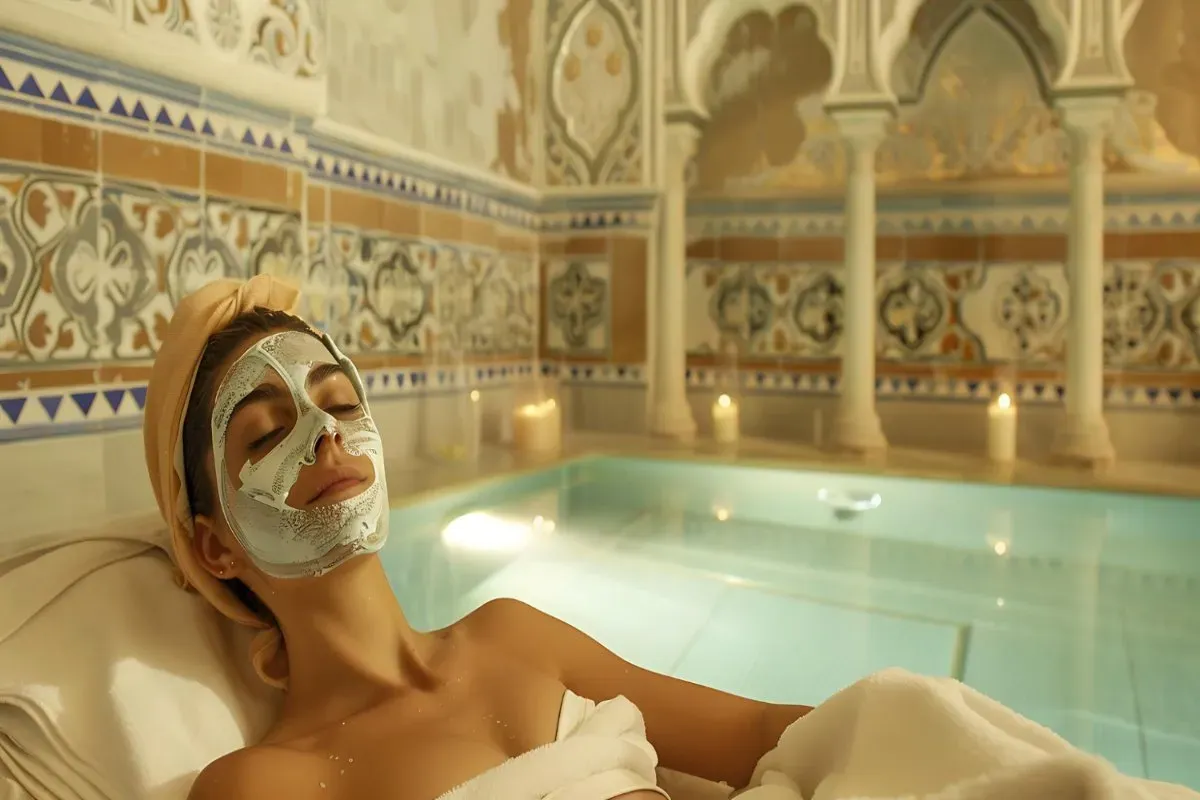
Turkish hammam for stress relief is a centuries-long ritual that blends heat, steam, and bodywork to calm the nervous system and revive the body, inviting a slow, deliberate pace that contrasts with the hurry of daily life. Exploring the hammam steam bath benefits reveals how controlled warmth, humidity, cleansing rituals, exfoliation, and quiet social cues combine to ease muscular tension, improve circulation, support breathing, and nurture a more balanced mood across both body and mind. Steam bath for stress relief works by guiding slower breathing, lowering heart rate, easing neck and shoulder stiffness, and signaling the parasympathetic nervous system to take charge, which in turn helps reduce perceived stress and promote a restful state. Turkish bath relaxation and the benefits of Turkish hammam emerge from a mindful sequence of cool anterooms, warm chambers, and a steamy main room, where warmth, haze, cleansing, and gentle massage unfold as a sensory education in letting go. A simple guide to living with its rhythm shows us a clearer picture of how hammam works and why its benefits extend into sleep and mood, emphasizing lasting changes in resilience and well-being.
Viewed through an LSI-friendly lens, this Turkish steam ritual can be described as a traditional Turkish steam bath or a hamam ritual, a heat-driven, sensory spa experience that promotes relaxation. Other common labels include Turkish bath, hamam experience, or heat therapy in a cultural spa setting, all signaling the same goal: to calm the nerves, soothe muscles, and improve sleep. These alternative terms help search engines associate related concepts like cleansing rites, humid heat, mindful breathing, and touch with user intent around stress relief without relying on repetitive phrasing. Ultimately, adopting varied but connected language supports readers in recognizing a single, multi-faceted wellness practice that delivers calm, improved sleep, and a sense of cultural richness.
Turkish hammam for stress relief: A multi-room journey to calm
Entering a Turkish hammam begins a sensory journey that slows time and invites the body to unwind. Soft lighting, warm air, and the gentle hiss of steam set a mood of quiet expectation as your skin starts to respond to the heat. The sequence of rooms—cool or warm entry, a warm chamber, and finally the steamy, higher-humidity space—helps your body ease into a relaxed rhythm. This progression isn’t just about sweating; it’s about guiding your nervous system toward restoration and balance.
In this environment, the hammam steam bath benefits extend beyond surface relaxation. The interplay of warmth, humidity, and cleansing creates a holistic experience that supports mood and vitality. You may notice subtle shifts in breathing, heart rate, and muscle tension as the body begins to shift from stress mode toward calm, making even short sessions feel restorative. The ritual itself—gentle social interaction, mindful breathing, and cleansing practices—contributes to a broader sense of well-being, aligning with the goal of stress relief.
How Hammam Works: The Science and Ritual Behind Relaxation
A hammam journey unfolds as a carefully designed ritual that leverages heat, humidity, and touch to trigger the body’s relaxation response. The progression from anteroom to warm room to hot steam room is intentional, encouraging gradual acclimatization and a steady decline in stress signals. The steps—cleansing scrubs, soap washes, and sometimes massage—offer tactile cues that the body can interpret as safe, slow, and soothing.
From a scientific perspective, heat exposure increases endorphin release and promotes deeper, controlled breathing. The parasympathetic nervous system—the body’s rest-and-digest branch—takes over, helping to lower cortisol and ease tension. Understanding how hammam works highlights why the ritual can yield lasting benefits for mood, sleep, and overall relaxation, not just momentary calm.
Hammam Steam Bath Benefits: From Relaxation to Better Sleep
The hammam’s steam bath environment combines warmth and moisture to soften muscles, loosen stiff joints, and ease breathing. This physical response supports a noticeable shift from tension to relaxation, which can extend into calmer evenings and better sleep. Steam relaxes airway passages and can help clear mucus, making breathing feel more effortless, especially for those whose days feel congested with stress.
Beyond immediate calm, the ongoing practice of regular hammam sessions can improve circulation and skin health, contributing to a healthier glow and greater sense of vitality. The combination of cleansing, massage, and humidity fosters a mood boost and a motivation to maintain healthier daily rhythms, reinforcing the broader idea of hammam steam bath benefits for mood and sleep as you integrate the ritual into your wellness routine.
Turkish Bath Relaxation: Breathing, Stillness, and Body Awareness
Turkish bath relaxation emerges from deliberate breathing, slow movement, and mindful stillness within a steam-filled sanctuary. The pace of the ritual invites you to notice where stress sits in your body and to release it through exhale, posture, and the gentle friction of a kese or massage. This heightened body awareness helps reduce muscle tension and invites a sense of inner quiet that lingers after the session ends.
The social and cultural aspects of the practice add an extra layer of calm, offering a sense of belonging and shared ritual that can amplify mood improvement. By pairing sensory immersion—steam, warmth, light—with mindful breathing and quiet conversation, the Turkish bath becomes more than a physical cleanse; it becomes a pathway to a more relaxed state of mind and a foundation for restorative sleep.
Maximizing the Benefits: Practical Tips for a Safe and Relaxing Hammam Experience
To get the most from your visit, approach the hammam as a deliberate practice rather than a quick spa moment. Move slowly through each room, giving your body time to acclimate to heat, humidity, and air quality. Hydration is essential—drink water before and after, and consider a light rinse between stages to keep skin comfortable and breathing easy.
Smart preparation and pacing can boost long-term effects like better sleep, reduced muscle soreness, and a steadier mood. Listen to your body, opt for shorter sessions if you’re new to heat exposure, and pair your visit with a gentle massage or cleansing ritual when appropriate. Regular rhythm—whether weekly or monthly—can turn the hammam into a reliable tool for stress management and the many benefits of Turkish hammam.
Frequently Asked Questions
What is Turkish hammam for stress relief and how does it work?
Turkish hammam for stress relief is a traditional steam-bath experience that guides you through a sequence of rooms with increasing heat and humidity, often including cleansing rites and a massage. In short, this is how hammam works: the heat and humidity trigger a controlled relaxation response, slow breathing, and muscle release, while the ritual and social atmosphere calm the nervous system. This combination can help reduce cortisol and promote a calmer mood and better sleep.
What are the key benefits of the hammam steam bath for stress relief?
The hammam steam bath benefits include improved circulation, eased muscle tension, and deeper relaxation that supports sleep. The steam bath for stress relief also encourages slower, steadier breathing and a sense of well-being. In addition, the cleansing and massage aspects contribute to skin health and a refreshed mood, aligning with the broader benefits of Turkish hammam.
How should I prepare for a Turkish bath relaxation session to maximize stress relief?
Preparation matters for Turkish bath relaxation. Arrive hydrated and lightly dressed for comfort, wear something modest like a towel-robe, and allow time to acclimate to the rooms. Move at your own pace, focus on mindful breathing, and keep sessions shorter if you’re new. The goal is to support stress relief through gradual heat exposure, cleansing rites, and gentle relaxation, which illustrates how hammam works in practice.
Is a Turkish hammam suitable for beginners seeking stress relief?
Yes. Beginners can start with a shorter, cooler entry and gradually progress to warmer rooms as comfort allows. The hammam experience aligns well with Turkish bath relaxation goals, and even first-timers can experience the steam bath’s stress-relieving effects by pacing themselves, staying hydrated, and listening to their body. Over time, this illustrates the benefits of Turkish hammam for stress relief.
How can I maximize mood and sleep with a Turkish hammam for stress relief?
To maximize mood and sleep, combine a regular hammam session with mindful breathing, slow movements, and proper post-session rest. Hydrate before and after, consider a light massage or cleansing ritual, and give yourself time to cool down and relax afterward. Regular practice enhances the steam bath benefits and overall stress relief, contributing to better sleep and a steadier mood.
| Aspect | Key Points |
|---|---|
| What it is | Turkish hammam for stress relief is a centuries-old ritual combining heat, steam, cleansing, and bodywork to calm the nervous system and revitalize the body. |
| How it works | Engages multiple senses—heat, humidity, warmth, light, and touch—to shift from a fight-or-flight state to relaxation, slowing heart rate and easing muscle tension. |
| Ritual sequence | Typically progresses from anteroom to warm room to steam room, with cleansing rites (kese scrub, olive oil soap) and optional massage, then cooldown. |
| Physiological benefits | Increased blood flow and circulation, improved breathing, potential stress hormone reduction, and better sleep over time. |
| Additional benefits | Skin exfoliation, improved skin glow, reduced muscle soreness, mood enhancement through endorphin release. |
| Maximizing relief | Pace the experience, stay hydrated, breathe slowly, adjust heat as needed, consider light massage, and rest after the session. |
| Safety and suitability | Consult a clinician if you have uncontrolled cardiovascular issues, pregnancy concerns, skin conditions, dehydration, fever, or acute infections; follow facility guidelines. |
| Cultural context | A social and cultural ritual that blends tradition with modern wellness goals, preserving steam, cleansing, and mindful breathing. |