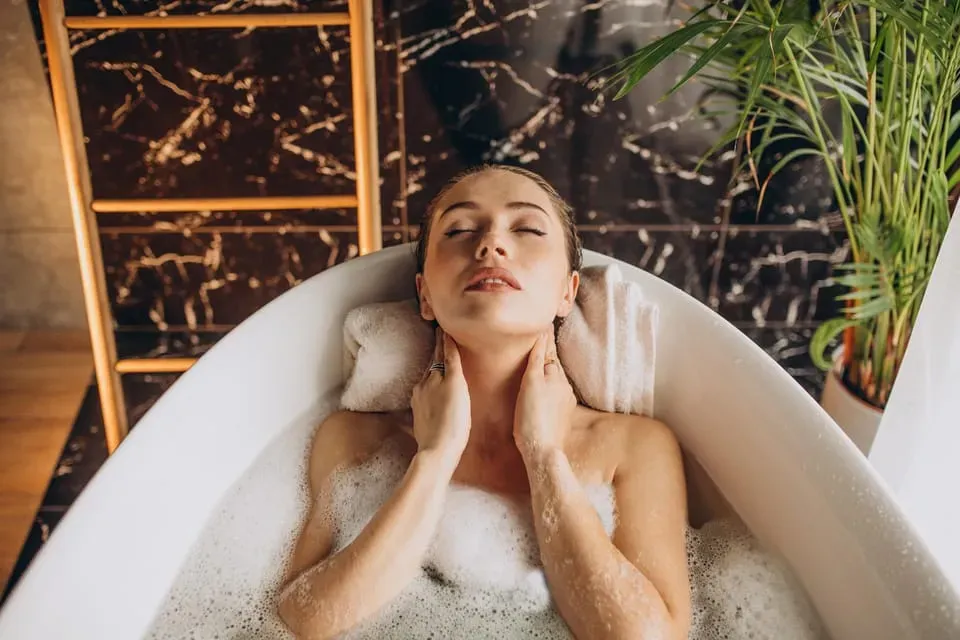
Health benefits of Turkish baths are best understood when you experience the heat, steam, and cleansing that define a traditional hammam. These rituals blend warmth, humidity, exfoliation, and massage-like scrubs to soothe tense muscles, quiet the mind, stimulate a rhythmic breath, and invite a lasting sense of renewed energy that supports hammam benefits for wellness. Beyond relaxation, many enthusiasts note Turkish baths health benefits such as improved mood, better sleep, enhanced daytime focus, and a subtle boost in resilience to daily stress. The warmth encourages circulation by dilating blood vessels, supporting a circulation improvement Turkish bath and delivering oxygen and nutrients more efficiently to muscles and connective tissues. For skin, sweating and cleansing aid pore unclogging and gentle exfoliation, aligning with skin health Turkish bath and hammam relaxation, while encouraging mindful hydration and skin-care post-session routines.
From a broader perspective, the steam-rich rituals function as a thermal therapy that blends cleansing, social ritual, and mindful breathing to support relaxation, circulation, and skin renewal. In practical terms, the hammam experience can be described using alternative terms such as traditional steam bath, spa ritual, or sauna-like cleanse, all of which point to the same core benefits without relying on the exact phrasing. As a component of a wellness routine, this cultural practice works best when paired with ample hydration, skin protection, and gradual adaptation to heat, making it a complementary addition to fitness, recovery, and stress-management goals.
Health benefits of Turkish baths
The Health benefits of Turkish baths extend beyond simple relaxation, incorporating a holistic blend of heat, humidity, cleansing, and social ritual. Turkish baths health benefits are often described in terms of stress reduction, improved mood, and a sense of renewal that travelers and locals alike seek in a hammam experience. The combination of warmth and steam helps ease muscular tension, while the surrounding atmosphere supports mindful breaks from daily responsibilities. This descriptive immersion can be an appealing entry point for those exploring traditional wellness practices and looking to enhance overall well-being through routine hammam visits.
From a physiological perspective, heat and moisture can stimulate the body’s relaxation response and may support better sleep quality. The hammam relaxation cycle often culminates in a cooler rinse or scrub, delivering a refreshing contrast that can further enhance mood and mental clarity. For many, these sessions contribute to a longer-term sense of balance and resilience, reinforcing the idea of Turkish baths health benefits as part of a sustainable wellness habit. As with any practice, individual responses vary, but the potential rewards—reduced stress, steadier breathing, and improved daytime focus—are commonly reported.
Hammam relaxation: a ritual for body and mind
Hammam relaxation goes beyond physical heat; it is a structured ritual that signals a pause from daily buses and screens. The steam-filled rooms invite slower breathing, which can promote parasympathetic nervous system activity and a calmer mind. In this sense, hammam relaxation doubles as a mindfulness practice, helping to quiet thoughts and ease muscle tension while encouraging a restorative mental reset. The social and ceremonial elements of the hammam also contribute to a sense of connection and well-being, aligning with hammam benefits for wellness.
As the body warms, subtle endorphin release can lift mood and ease discomfort from sustained postures or workouts. The finishing rinse, often performed at cooler temperatures, provides a gentle stimulus that reinforces circulation and a fresh sensation. For many participants, this ritual becomes a reliable anchor for stress management and sleep hygiene, supporting a healthier daily rhythm. Embracing the hammam relaxation experience with intention—breathing, pacing, and listening to the body—can maximize the mood-lifting and restorative benefits that readers expect.
Circulation and metabolic warmth: boosting blood flow
Circulation improvement Turkish bath is frequently cited as a key benefit of the hammam experience. The heat induces vasodilation, allowing blood to travel more easily to muscles and organs, which can accompany a modest rise in heart rate. This enhanced circulation delivers oxygen and nutrients more efficiently, supporting recovery after exercise and reducing perceived muscle soreness. The metabolic warmth created by the steam also contributes to a sense of vitality, making daily tasks feel lighter and more energizing.
In addition to direct vascular effects, the release of sweat and the movement of fluids can support lymphatic drainage and detoxification processes. While results vary among individuals, many users report feeling lighter and more energized after a session. To maintain safety, it is advisable to hydrate adequately and to approach heat exposure gradually, especially for those with cardiovascular concerns or conditions that require medical guidance. The phrase circulation improvement Turkish bath captures how heat-driven vascular responses play a role in the broader wellness conversation.
Skin health Turkish bath: cleansing, hydration, and glow
Sweating in a Turkish bath helps open pores and remove surface impurities, a process many associate with clearer, smoother skin. The warm humidity softens the outer layer, making exfoliation with a gentle scrub a common and soothing practice in the hammam. Regular sessions can contribute to a brighter complexion and may help address minor skin concerns through natural cell turnover and cleansing rituals that align with holistic skincare goals, reinforcing skin health Turkish bath as part of an overall skincare routine.
The skin health Turkish bath angle also emphasizes hydration balance—post-session rinses and moisturization help replenish water loss and support the skin’s barrier function. It’s important to select products suitable for one’s skin type and to avoid aggressive scrubbing that can cause irritation. When paired with appropriate hydration and sun protection, the steam bath experience can complement daily cleansers and exfoliants, offering a sustainable route to a healthier, more radiant look within a wellness framework.
Hammam benefits for wellness: building a sustainable routine
Integrating Turkish baths into a wellness routine can complement nutrition, exercise, sleep, and stress management. The hammam benefits for wellness extend beyond momentary relaxation to support a balanced autonomic state and consistent energy throughout the day. By viewing hammam visits as a regular practice—whether weekly or biweekly—readers can cultivate a meaningful ritual that aligns with broader health goals and fosters a sense of community and culture.
Practical planning and safety-minded habits are essential for sustainable gains. Hydration before and after sessions, modest heat exposure for beginners, and listening to bodily cues help ensure long-term benefits. Pair hammam relaxation with gentle breathing, light stretching, and a post-session skincare routine to maximize the health advantages while minimizing risk. This approach reflects a thoughtful commitment to wellness that respects individual needs and supports ongoing engagement with Turkish baths as part of a holistic lifestyle.
Frequently Asked Questions
What are the Health benefits of Turkish baths for relaxation and stress relief?
The Health benefits of Turkish baths include deep relaxation as heat and humidity ease tense muscles and quiet the mind. Hammam relaxation promotes slower breathing, stronger parasympathetic activity, better sleep quality, and a mood lift, often with modest endorphin boosts and cortisol reduction.
How can Turkish baths support circulation improvement Turkish bath and athletic recovery?
Heat in a Turkish bath causes vasodilation, increasing blood flow and heart rate to boost circulation improvement Turkish bath and nutrient delivery to muscles. This can aid recovery and reduce soreness, and steam-related sweating may support lymphatic drainage for a lighter feeling.
In what ways does a Turkish bath affect skin health Turkish bath and cleansing?
Sweating opens pores and removes surface impurities, supporting skin health Turkish bath. The warm humidity softens the skin and, with a gentle scrub, enhances exfoliation; post-session hydration helps maintain moisture and prevent dryness.
What are hammam benefits for wellness from regular Turkish baths?
Regular hammam sessions can support relaxation, sleep, and mobility, contributing to overall wellness. They may improve autonomic balance and thermoregulation, while the social and cultural setting can boost mood; hydrate and tailor frequency to your body.
What safety considerations should beginners know about Health benefits of Turkish baths?
To safely enjoy the Health benefits of Turkish baths, hydrate well, avoid heavy meals before sessions, and start with shorter exposure. If you have cardiovascular conditions, pregnancy, skin infections, or experience dizziness, seek medical guidance before continuing.
| Key Point | Overview | Benefits/Impact | Practical Tips |
|---|---|---|---|
| Relaxation and Stress Reduction | A warm, humid environment helps ease tense muscles, quiet the mind, and promote deeper, rhythmic breathing. This supports parasympathetic activation, mood lift, and may improve sleep and daytime focus. | Reduced stress, better sleep, improved mood and resilience. | Hydrate well; start with moderate heat; end with a cool rinse; pace sessions to avoid overheating. |
| Circulation and Metabolic Warmth | Heat induces vasodilation and a temporary rise in heart rate, boosting blood flow and nutrient delivery to muscles and tissues. Steam and sweating may support lymphatic drainage and energy. | Improved circulation, faster recovery, reduced muscle soreness, and a sense of increased energy. | Moderate duration; monitor how you respond; stay hydrated; consult a clinician if you have heart or vascular concerns. |
| Skin Health, Cleansing, and Rejuvenation | Sweating opens pores, assists cleansing, and, with a gentle scrub, supports exfoliation. Warm humidity helps soften skin and aids hydration balance. | Cleaner, brighter-looking skin; improved hydration balance; smoother appearance. | Post-session moisturization; avoid aggressive scrubbing for sensitive skin; maintain hydration; |
| Sleep, Immunity, and Mobility | Some users report better sleep after a hammam; heat exposure may contribute to autonomic balance and perceived immune resilience. Warmth can loosen joints and connective tissue. | Better sleep quality, potential immune resilience, improved mobility after sessions. | Establish a regular cadence (e.g., weekly/biweekly); hydrate before/after; adjust frequency to personal response. |
| Safety, Precautions, and Caution | Hydration is essential; people with cardiovascular issues, pregnancy, skin infections, or frequent dizziness should seek medical guidance before continuing. | Safer practice with risk awareness and medical consultation when needed. | Listen to your body; avoid heavy meals before; start with shorter, lighter heat; gradually acclimate. |
| Practical Tips to Maximize the Hammam Experience | Guidance to enhance the hammam experience through hydration, etiquette, and mindful practice. | Hydration, modest attire, gradual heat exposure, mindful breathing, post-session skincare, regular visits, and proper aftercare. | Hydrate before/after; communicate sensitivities; start with short sessions; couple relaxation with breathing; maintain a simple skincare routine. |
| Incorporating Turkish Baths into a Wellness Routine | Positions hammam visits as a complementary practice within a broader wellness plan. | Aligns with nutrition, exercise, hydration, sleep hygiene, and stress management; also supports social well-being. | View sessions as a reset within a balanced lifestyle; maintain a mindful, consistent schedule. |